Local Government 101: Public Hearings
This guide will answer any questions you have about how to participate in public hearings
Avery Rawlins
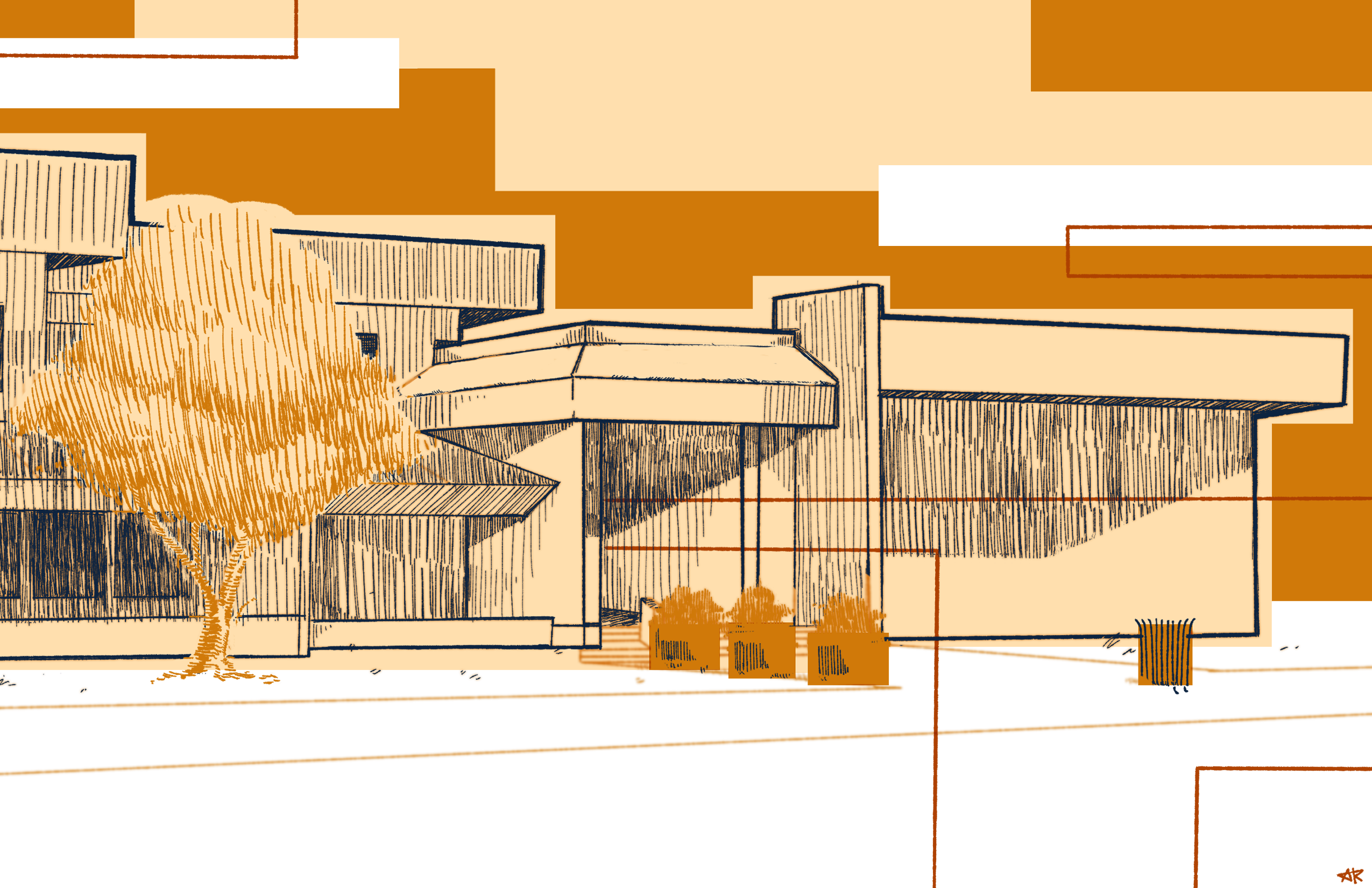
There are several types of city council meetings; this article is to inform you about Public Hearings. Public Hearings are held monthly on Tuesdays afternoons.
Getting involved in local government is intimidating for those of us who want to be involved but who don't know how to start.
This article will answer the burning questions about public hearings - what to expect, how the meeting is run, what to bring, how to make your voice heard when you attend or when you can’t attend, alternate ways to participate, and the procedures surrounding how the council makes decisions.
Summary
Agenda
- The agenda is posted online ahead of time. You can check it beforehand to see what will be discussed.
Rally
- Go an hour before the meeting starts for the media rally in front of city hall.
Doors Open
- Doors open half an hour before the meeting begins. Go early to ensure you get a seat
Meeting Begins
- Official meeting business begins and housekeeping is attended to (minutes from the previous meeting, etc)
Staff and Developer Presentations
- Staff and Developers give 15 minute presentations before public comment to present research and arguments about the upcoming issue.
Public Comment
- The floor is opened to the public to comment on the development, by-law, or issue at hand. Time is made for online attendees to speak.
- Every individual has 5 minutes to speak
- Everyone gets a chance to speak
Head Home!
- You do not have to stay for the entire meeting if you do not want to. You can leave after you have made your comment, or, like me, after you feel you have gotten a good look at the lay of the land.
Decision is Made
- City Council in Kelowna votes on issues brought up in the public hearing the following Monday afternoon.
The Meeting
This is my experience attending my first city council meeting on March 10, 2026.
1. Grab a Buddy
I would not have attended my first city council meeting alone. I am fairly introverted and shy in crowds, so finding a friend to come with me was a huge help.
I met Melody on Kelowna’s Strong Towns Discord group. Neither of us had ever been to a city council meeting before so we coordinated to meet outside of city hall about 30 minutes before the meeting.
2. Before the Main Event
The agenda for the town council meeting is posted online about a week before the meeting.
An agenda is a schedule created ahead of time to keep everyone on track during an upcoming meeting.
When I initially looked it over myself, the document was 116 pages long. Much of it was photos submitted related to proposals that would be reviewed and voted on in the meeting. I was overwhelmed by jargon I did not know and the sheer volume of the document, so I didn’t look it over very closely before the day. Luckily, just attending the meeting and seeing the procedure unfold helped me understand the agenda.
Options to watch the meeting at home via live stream are also available online. Community members can even submit comments via Microsoft Teams. If you want to watch a bit of the meeting from home or submit a comment from your computer or phone, you may.
3. The Rally
In Kelowna, a ‘rally’ is held in front of city hall immediately before the doors open so city councillors and advocacy groups can speak to local media about the issues of the day.
Advocacy groups organised to wear matching outfits or custom made shirts. I was able to look over the crowd and tell at a glance what the composition for or against the proposal was based off what people were wearing. Some people also brought signs, buttons, and hats into the council’s chambers and held them up throughout the meeting.
The doors opened 30 minutes before the meeting officially started. We had chosen a particularly contentious meeting to attend for our first time, so we had to stand along the wall for a while. As the meeting went on, however, the room emptied out a little and we were able to grab some seats.
4. It Begins
To begin the meeting officially, the Mayor calls the meeting to order.
He welcomed everyone who attended and read a land acknowledgement. Then, he moved to confirm the minutes from the previous meeting. Another town council member seconded the motion, and the last meeting’s minutes were officially confirmed.
Its a lot of jargon and it goes quick.
Meeting Minutes - the notes from the previous meeting, which are taken by a city staffer and published online and kept in the public city archives. The agenda is a plan for the future meeting, and the minutes are the record of what was said and done in a past meeting.
Move/Motion - to move is to propose an action. In this case, they propose the motion to confirm the previous meeting minutes.
Second - To approve this action, another council member has to second the action. This means another council member supports the motion of a colleague.
This process of moving and then seconding the motion is how the council makes quick decisions during the meeting. This way multiple people must back up an action before it is approved and one person cannot dominate the decision making by passing motions alone.
The process of moving to confirm the minutes took less than a minute.
5. It Gets Juicy - Development Application Reports & Related Bylaws
In this particular meeting, they started with a zoning application for a town house complex that is proposed to be built downtown.
Everyone who addressed the council; developers, staffers, or community members, stood at a podium at the front of the room facing the council. There is a microphone, desktop computer, water, and paper cups provided for the speakers.
Everyone who goes up to present must state their name and the street they live on for the council’s records. You do not have to state your full name or your full address - first name and street name is enough. This is true for community members and the developers.
Also - the staffers and developers addressed the mayor as “your worship” which was crazy. It was goofy and archaic but no one in the public or other members on the council called him that. But if you want to be extra fancy and polite, that is the official address.
In the council chambers, there were large TV screens that were hung so presenters could bring slide shows to illustrate their points, display graphs and maps, and emphasize their positions. It is worth noting that all council meetings are filmed, streamed online, and recorded, so there is a big camera on a tripod at the front of the room pointed at the podium where community members speak.
6. The Part We Came For
First, a city staffer presents their report about what the application entails, and whether the staff recommends the council go forward with the proposal or not. The council does not have to follow the staff’s recommendations, but it is supposed to provide a neutral, well researched argument about the zoning. In this case, the staffer did recommend the application be approved, because the council had approved an identical project in the past, and because it aligned with the councils’ goals to provide a greater variety of housing in Kelowna.
Then, a staff member from the developers company presented their argument as to why they thought the zoning should be approved. Obviously, this was a representative from a for-profit company that makes its money by building houses, so their presentation was in favour. The presenter from the development company had 15 minutes to make their points. The mayor has a small timer on his desk that faces the presenters so everyone can track their time.
After the developer made their argument, the floor was open to public comment. Members of the community could speak for five minutes at the podium. If they had the foresight or desire, community members can send their own slide shows to the city clerk, who will load it onto the desk top at the podium. That way, no one has to fiddle with thumb drives and hold up the meeting getting their files in order.
When every community member who was interested had spoken about the townhouse development, the council moved to go onto the next item on the agenda.
The process then repeated for the next piece of zoning. In this case, it was whether or not a piece of wetland and golf course near the university should be converted to an industrial park.
First, the staffer made their recommendation based on their research about environmental effects, the supply of industrial property already available in Kelowna, and the potential impact of the jobs created, both in construction and the staffing of the warehouses. In this case, the staffer recommended against, as there is a surplus in industrial space in Kelowna, and the wetlands and golf course were popular.
Then, a representative from the development company presented their slide show where they had environmental work ups, flood analysis, jobs reporting, and the plans for an indoor pickle ball court they would include for the sake of community good will.
Afterwards, the podium opened for public comment.
Everyone has 5 minutes. The city clerk kept things moving and organized.
The Naturalist club coordinated so that three people could present in a row. First, one member presented on the fatal impact this industrial site would have on migratory birds that rely on the wetland when moving south for the winter and north for the summer. Another member immediately followed and spoke to how the new roads necessary for the project would harm the local breeding population of barn owls, who are endangered in Canada. Then, an ornithologist who was attending via the teams call from Victoria was able to speak to his 9 years of research about the site and also testified as to how this industrial park would negatively and permanently impact bird populations in the Okanagan.
Melody and I attended for a couple hours so we could get a feel for the procedure and watch the process unfold.
City council meetings last for as long as necessary. If someone wants to speak on two separate items, they may do so in two separate 5 minute chunks. The meeting does not end until everyone has had a chance to speak. Because we attended a crowded meeting, we decided to stay and observe for two hours and then head home.
The mayor announced that there would be a break at the 2 hour mark. After the 5 minute break, the participants attending via Teams would be given a chance to make their comments.
I went to city hall at 3 in the afternoon, and that evening after dinner I was able to watch a little more. The council was still hearing public comments about the zoning at around 9 o’clock at night.
7. Afterwards
After the period for public comment has closed, city council members are not supposed to consider any new information. If you want to tell your city councillor how you feel about a particular proposal but you cannot attend a meeting for public comment, you can send an email to mayorandcouncil@kelowna.ca before the meeting takes place. You can also team up with someone who can attend and co-sign their comments. Many people who spoke at the meeting we attended were representing friends or clubs who could not all attend because it took place in the middle of the work day.
The council’s final vote for the zoning proposals would be made public the following Monday. (This meeting was held on a Tuesday, so 6 days later.) The council voted 5-3 to rezone the golf course into an industrial park.
Strategies
CyberSpace
Attend from the comfort of your own home and watch it all go down via the live stream. This option is great for people who cannot attend in person, like disabled people or parents, or for people who have conflicting work schedules.
The meets are always recorded and posted online, so you can also watch old meetings if you miss one.
Email Ahead of Time
If you want to comment on an issue but you cannot attend a meeting, make sure you send your email to mayorandcouncil@kelowna.ca before the date of the public hearing where the issue will be discussed, as after the public hearing the council is not allowed to consider new information.
Join a Local Advocacy Group
When you join an advocacy group, members of the group can attend city meetings on behalf of the group and present on the group's behalf. Many advocacy groups meet on discord or slack and in person, and they are always looking for more people who can help with their cause. This way, you can support the group effort in whatever way suits your strengths, and the public speakers can support the group by attending city meetings. The library is a great place to start looking for advocacy groups to join.
Buddy System
If you are nervous about attending on your own, find a friend who can come with so you don’t have to wander around lost and alone. Now you can just wander around lost - with a friend!
Chain-Lightning
Coordinate your presentation with other members of an advocacy group so you can present on larger points for more than 5 minutes. As long as everyone takes turns speaking and you are polite about including any members who may be online, the city clerk will be happy to accommodate you.
Power in Numbers
Coordinate what you wear with others so the composition of the crowd and your opinion is visible! Make signs and badges so your position is clear.
Slide Deck
Add visuals to your argument to emphasize your point!
Prepare some notes
Since time to speak is limited, make sure your comments are written out and that you have practised them. It would suck to have to stop a third of the way through your speech for lack of planning.
Helpful Links and Info:
Scheduleling
Information about City Council meetings are online on the city’s website:
https://www.kelowna.ca/city-hall/council/council-meetings-public-hearings
City Hall
1435 Water Street
Kelowna, BC
- Conveniently directly behind the Queensway Bus Loop!
City Council
Send your emails here if you cannot or don’t want to address the council in public. Make sure to send any comments before the town hall meeting ends so it can be considered in decision making.
City Clerk
Send any slides here ahead of time so they will be on the podium computer ready for you the day of the meeting.
General Questions
If you have any other questions about the machinations of Town Hall, send them here: